Ursula fon der Lajen u Beogradu: Šta ako Vučić podnese ostavku?
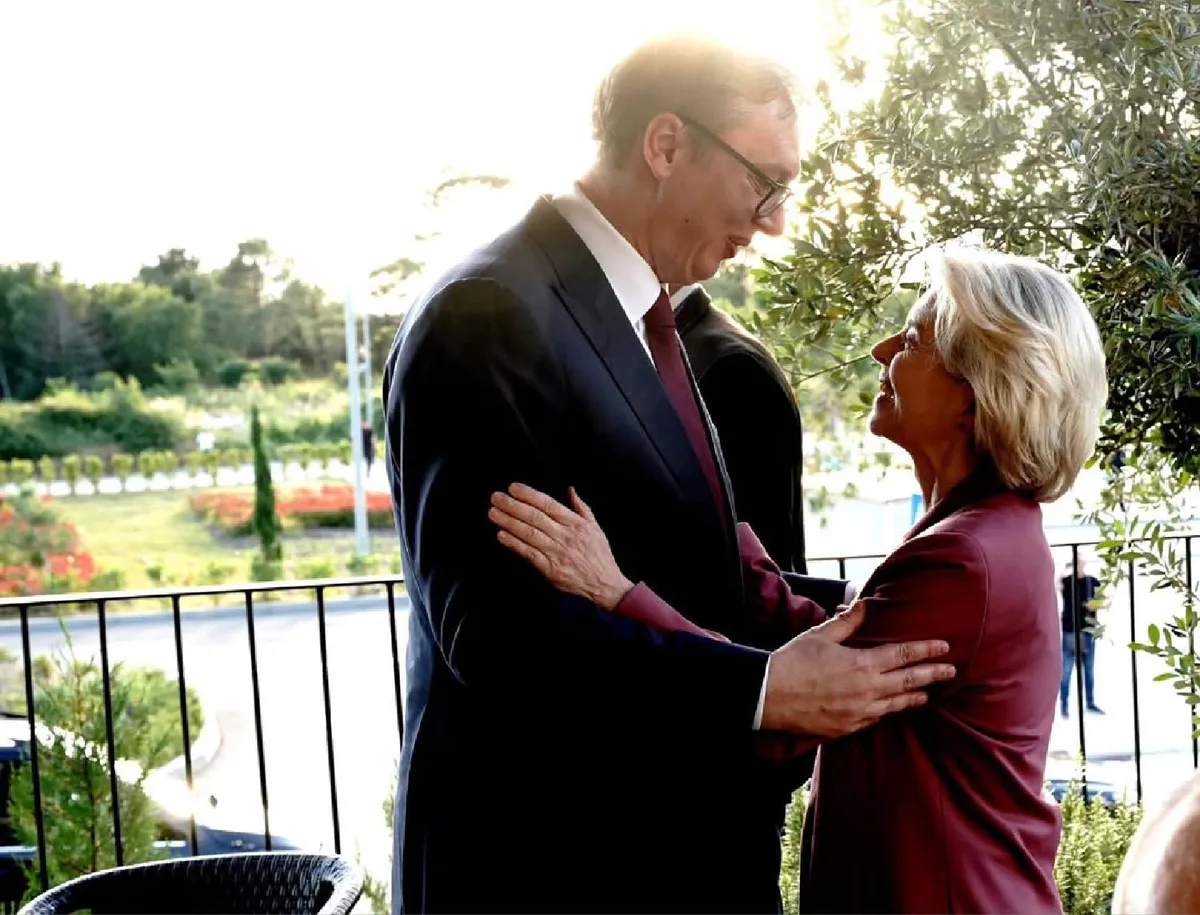
Aleksandar Vučić i Ursula fon der Lajen Foto: FoNet/Instagram predsednika Srbije
autor:
07. sep. 2026. 08:19
Predsednica Evropske komisije Ursula fon der Lajen trebalo bi u oktobru da poseti Srbiju, u okviru redovne turneje po zemljama Zapadnog Balkana. Ukoliko se obistine najave da će parlamentarni izbori biti održani 25. oktobra, poseta Fon der Lajen mogla bi da se poklopi sa predizbornom kampanjom, ali i sa periodom u kojem bi Vučić, ukoliko ispuni sopstvena obećanja, već mogao da bude bivši predsednik. Ostaje, međutim, pitanje da li bi Vučić eventualno mogao da odloži ostavku kako bi predsednicu EK ipak dočekao sa Andrićevog venca.
Oglas
Sve u vezi izbora u Srbiji je još na nivou najava. Juče je prošao poslednji rok za raspisivanje vanrednih parlamentarnih izbora za 18. oktobar. Ostaje da vidimo da li drugi datum koji je Aleksandar Vučić pominjao, 25. oktobar, ostaje u igri. U međuvremenu kampanja je u punom jeku, a stiže i vest da bi baš u oktobru u samoj završnici kampanje u Beograd mogla da stigne predsednica Evropske komisije Ursula fon der Lajen.Prema informacijama iz diplomatskih krugova, poseta Srbiji deo je redovne višednevne turneje predsednice Evropske komisije po Zapadnom Balkanu. Tačan datum posete Beogradu još nije potvrđen, ali bi lako moglo da se desi da to bude sam finiš kampanje, što bi bez sumnje u srpskoj javnosti bilo predstavljeno kao podrška politici vlasti.Da je odnos Brisela prema Srbiji u ovom trenutku posebno osetljiv pokazuje i odluka Evropske komesarke za proširenje Marte Kos da otkaže planiranu posetu Srbiji zbog, kako je navela, veličanja nedavno preminulog haškog osuđenika Ratka Mladića.Kos otkazala posetu Beogradu“Ratko Mladić je osuđen za genocid, zločine protiv čovečnosti i ratne zločine. Povratak njegovih posmrtnih ostataka u Beograd podseća Evropu na najtamnije stranice naše nedavne istorije", napisala je Kos na društvenoj mreži X i zatim istakla:Ratko Mladić was convicted of genocide, crimes against humanity and war crimes. The return of his remains to Belgrade reminds Europe of the darkest pages in our recent history. The glorification surrounding his death is incompatible with the values on which the EU path is…— Marta Kos (@MartaKosEU) September 4, 2026"Uznesenost oko njegove smrti je nespojiva sa vrednostima na kojima je izgrađen evropski put. Taj put zahteva suočavanje sa prošlošću, istinsko pomirenje i poštovanje žrtava ratnih zločina. Vrednosti koje podupiru našu zajedničku budućnost nisu predmet pregovora. U ovom kontekstu, odlučila sam da ne nastavim sa planiranom posetom Srbiji u ovom trenutku".Uprkos tome, oktobarska poseta Ursule fon der Lajen Srbiji za sada ostaje u planu. A čak i ukoliko je ne otkaže, za Vučića postoji jedan problem ukoliko podnese ostavku na mesto predsednika, kako je i najavio.Tada bi se umesto njega sa predsednicom Evropske komisije sreli samo premijer Đuro Macut i predsednica Skupštine Ana Brnabić, kako i predviđa protokol.Međutim, član Evropskog pokreta u Srbiji Duško Lopandić za Novu kaže da bi Vučićeva eventualna ostavka pre svega mogla da bude deo njegove političke kalkulacije, a ne odluka povezana sa posetom predsednice Evropske komisije.“On godinama zloupotrebljava svoju poziciju predsednika, svoje nadležnosti, ali isto tako i Ustav. Što se tiče ostavke, mislim da ona neće biti povezana sa posetom predsednice EK, već sa njegovom kalkulacijom izbora, ako bi se kandidovao kao premijer. Možda spoji parlamentarne i predsedničke izbore. To je jedna od raznih spekulacija da na neki način napravi još jednu vrstu zabune kod drudge strane“, kaže Lopandić.
Duško Lopandić Foto: Dragan Mujan/Nova.rs
Sagovornik Nove ocenjuje da bi poseta Fon der Lajen u uslovima predizborne kampanje mogla da bude problematična, budući da bi bila povezana sa temom članstva Srbije u Evropskoj uniji.“Postoji negativna tradicija da je Ursula fon der Lajen u ranijim godinama neosnovano pokazivala preveliku bliskost i podršku Vučiću. Postoji bojazan da bi to moglo da se ponovi“, ističe Lopandić.S druge strane, glavni i odgovorni urednik portala European Western Balkans, Nemanja Todorović Štiplija upozorava da samu posetu ne treba posmatrati kroz prizmu izbora.“Svake godine, pred izveštaj Evropske komisije o napretku država kandidata, Ursula fon der Lajen ima posetu svim državama Zapadnog Balkana, dakle svih šest država Zapadnog Balkana. Ursula fon der Lajen će u oktobru, tokom svoje redovne posete, posetiti region i to je stanje koje traje već poslednjih nekoliko godina“, podseća Štiplija.Prema njegovim rečima, takve posete održavaju se bez obzira na to da li se u nekoj od zemalja održavaju izbori ili traje predizborna kampanja.
Nemanja Todorović Štiplija Foto:FoNet/Aleksandar Barda
“Logično je da će predsednica Evropske komisije svoje poruke koje uputi tada da na neki način prilagodi trenutku predizborne kampanje, što radi u svim državama u kojima je dolazila u u toku predizborne kampanje. To se dešavalo i ranije. Nije samo predizborna kampanja u Srbiji, biće u Bosni i Hercegovini u istom trenutku“, navodi urednik EWB i dodaje da još ništa nije definitivno kada je reč o datumu posete.Kako objašnjava, za Evropsku komisiju biće važno šta će biti odlučeno na sastanku Evropskog saveta sredinom oktobra, kada bi trebalo da budu razmatrana pitanja u vezi sa novim načinom proširenja Evropske unije i državama Zapadnog Balkana, a naročito Crnu Goru i Albaniju koje nareduju u procesu.“Samim tim, moguće je da datumi posete ne budu u vreme predizborne kampanje, možda budu kasnije, možda budu mnogo ranije“, navodi Štiplija.Macut bi trebalo da ugosti predsednicu EKPosebno je zanimljivo i ko bi u tom slučaju ugostio predsednicu Evropske komisije. Jer, ukoliko Vučić zaista podnese ostavku pre dolaska Fon der Lajen, on više ne bi imao funkciju predsednika Republike.Zato Štiplija smatra da bi, u tom slučaju, upravo premijer Đuro Macut trebalo da bude domaćin Ursuli fon der Lajen.
Foto:Aleksandar Barda/FoNet
„To što se predsednik Vučić i predsednica Evropske komisije Ursula fon der Lajen sastaju i što je to bio najznačajniji događaj tokom takve njene posete, to je nešto što je izlazilo iz ustavnih okvira Srbije. Sa druge strane, premijer Srbije je taj koji treba da razgovara s njom. Dakle, ona kao predsednica izvršne vlasti Evropske unije i predsednik izvršne vlasti Srbije, a to je svakako Macut. Međutim, s obzirom na to da živimo u zemlji u kakvoj živimo, ta poseta, odnosno taj sastanak sa predsednikom Vučićem, uvek je bio najvažniji događaj takve jedne posete“, ocenjuje Štiplija.Ursula fon der Lajen kao glavna Vučićeva zaštitnica u EUNe treba zaboraviti da Ursula fon der Lajen već godinama važi za jednu od Vučićevih najvažnijih saveznika i zaštitnika u Briselu, dok je Evropska narodna partija, čiji je SNS pridruženi član, više puta kritikovan zbog bliskosti sa predsednikom Srbije.Na takvu bliskost je ukazivao i potpredsednik Evropskog pokreta u Srbiji Vladimir Međak, nakon posete Ursule fon der Lajen u martu prošle godine.“Sada je jasno rečeno da su mediji, korupcija i izborne reforme bitni. To su uslovi i to je ponovo i Košta i to su jasni demokratski kriterijumi koje Srbija ne ispunjava. S druge strane, nije rečeno ko je kriv za to što to nemamo. To znači da Ursula fon der Lajen i EPP i dalje njega čuvaju, ali nisu spremni više toliko da ga promovišu i idu do kraja kao što su to radili pre tri ili četiri meseca”, poručio je Međak za Danas.
<img alt="Mesto: BEOGRAD
Datum: 2024-03-31 12:56:43.0
Dogadjaj: EVROSERVIS/KVAKA 23 - Intervju FoNetu Vladimira Međaka iz Evropskog pokreta u Srbiji u okviru serijala Kvaka 23
Fotoreporter: Milica Vučković
Ličnosti: Vladimir Međak
Izvor: FoNet" data-selector="image-with-caption" data-src="/media/original_images/1768857155_1711888235-Vladimir_Medjak_10_Milica_Vuckovic_5152_b-102.jpg" data-testid="image" height="374" loading="lazy" sizes="(max-width: 1024px) 500px, 900px" src="https://nova.rs/media/images/2026/1/1768857155_1711888235-Vladimir_Med.format-jpeg.width-500.jpg" srcset="https://nova.rs/media/images/2026/1/1768857155_1711888235-Vladimir_Med.format-jpeg.width-500.jpg 500w, https://nova.rs/media/images/2026/1/1768857155_1711888235-Vladimir_Med.format-jpeg.width-900.jpg 900w" width="100%">
Vladimir Međak Foto:FoNet/Milica Vučković
Slično je rekao i evroposlanik Tajs Rojten u septembru 2025. godine kada je bila održana sednica Evropskog parlamenta na kojoj se preispitivao stav EPP prema SNS.“Članstvo u Evropskoj uniji bi trebalo da bude nešto čemu se teži, a u prethodnih nekoliko godina smo videli previše zaštite Vučića od strane Fon der Lajen i Antonija Košte. Moramo da prekinemo strategiju ulagivanja jednom autokrati iz zemlje kandidata”, istakao je Rojten.Tim povodom su Evropski zeleni na konferenciji za medije pre panela diskusije o situaciji u Srbiji, saopštili da predsednica Evropske komisije Ursula fon der Lajen mora da zauzme jasan stav o Aleksandru Vučiću i da on ne sme da se oseća nedodirljivim.
Vula Ceci Foto: EPA/RONALD WITTEK
"Ključno je da bi EU trebalo da uvidi da Vučić nema imunitet. On oseća da je nedodirljiv jer je povezan sa najvećom grupom u EU (Evropska narodna partija), povezan je sa institucijama… Oseća se nedodirljivim. Politička poruka nije protiv naroda Srbije. Da bismo podržali narod moramo da napravimo razliku. Vučić igra na različitim terenima i on želi da postane kralj. Dužnost ove institzcije je da ne bude više nedodirljiv ida bude pozvan na odgovornost zbog svojih postupaka", naglasila je kopredsednica Evropskih zelenih Vula Ceci.
Pratite nas na društvenim mrežama:
Koje je tvoje mišljenje o ovoj temi?
Učestvuj u diskusiji ili pročitaj komentare