GLP-1 Weight Loss Drugs Linked to Decreased Exercise Rates, Study Finds
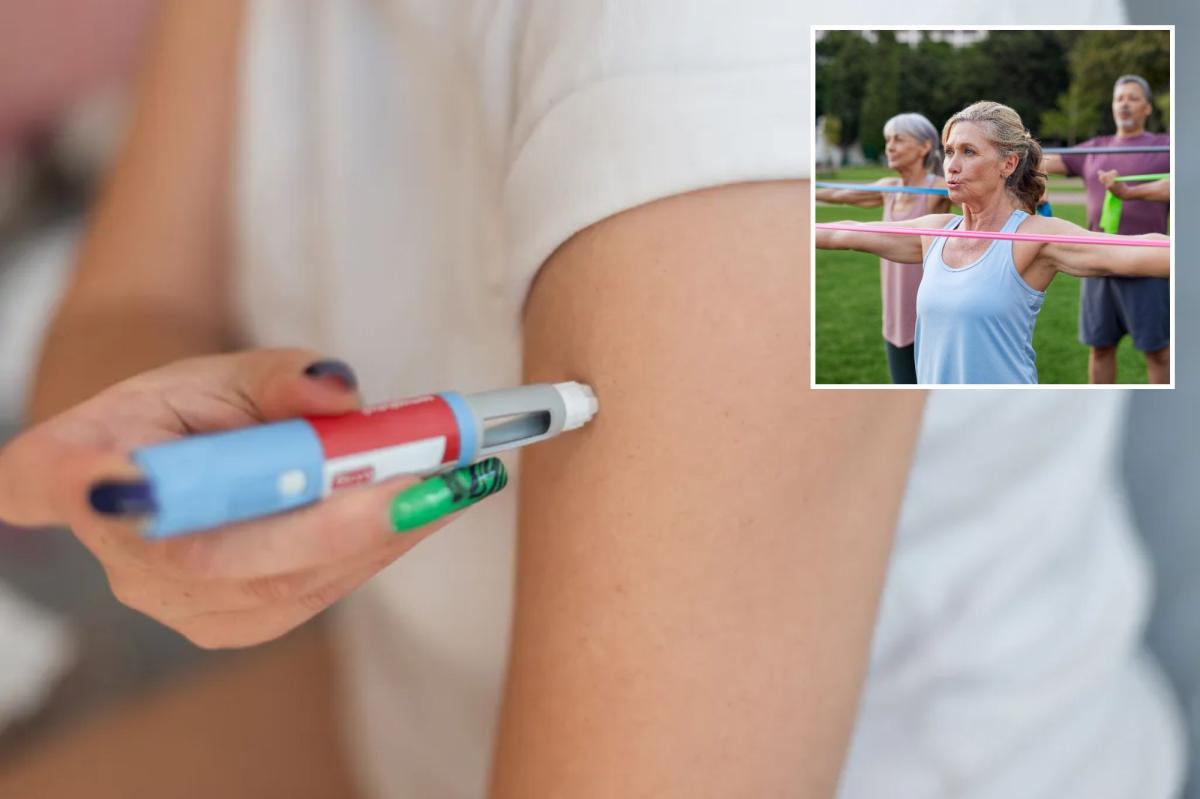
Among those taking GLP-1 medications for weight loss, exercise rates are decreasing, according to new research.The study, set to be presented at ENDO 2026 (the Endocrine Society’s annual meeting) in Chicago this week, found that adults with obesity who lost weight with a GLP-1, such as Ozempic or Wegovy, “significantly reduced” their physical activity.In an Endocrine Society press release, study lead Sajana Maharjan, MD, of HSHS St. John’s Hospital in Springfield, Illinois, noted that GLP-1 drugs like semaglutide, liraglutide, dulaglutide and tirzepatide reduce both fat and lean muscle mass.This means physical activity is “essential for preserving strength and long-term health,” she said.The study, reportedly the first of its kind, considered data from a National Institutes of Health research program that linked participant records with fitness tracker activity.Researchers analyzed data from 753 people with obesity who initiated a GLP-1 medication. The cohort was mostly female, at a mean age of 52.7 years.Among those taking GLP-1 medications for weight loss, exercise rates are decreasing, according to new research. alones – stock.adobe.comThe study, reportedly the first of its kind, considered data from a National Institutes of Health research program that linked participant records with fitness tracker activity. Rido – stock.adobe.comComparing activity in participants before and after beginning treatment, the average number of steps decreased from 5,047 to 4,487 per day. Moderate-to-vigorous physical activity fell from 28 to 22 minutes per day, the study found.The largest declines were observed in men and in those with joint or muscle pain. Other factors like age, heart failure or prior stroke did not change results.Although many people might assume that losing weight with these medications would lead to increased physical activity, the study found no evidence that it did, according to Maharjan.“The findings in our study reinforce that exercise cannot be optional for people taking these medications,” he said. “People need targeted interventions that encourage physical activity alongside medication for obesity.”Although many people might assume that losing weight with these medications would lead to increased physical activity, the study found no evidence that it did, according to Sajana Maharjan. mbruxelle – stock.adobe.comThe study was retrospective and observational, meaning it could only display an association, not a direct cause. The participants were also mostly middle-aged women, which could limit the scope of who is most impacted, the researchers noted.Other factors that were not measured include exercise habits before starting treatment, motivation levels and guidance from a physician.Dr. Peter Balazs MD, a hormone and weight-loss specialist practicing in New York and New Jersey, echoed in an interview with Fox News Digital that weight loss does not automatically lead to increased mobility or greater motivation to exercise.“In fact, being in a calorie deficit can cause the body to conserve energy, resulting in a lower metabolic rate,” he said.“Additionally, side effects of weight-loss medications, such as nausea, fatigue or gastrointestinal discomfort, may further reduce a person’s ability or desire to be physically active,” the expert added.For GLP-1 users, Balazs stressed that exercise “is not optional.” Patients must incorporate resistance training and regular daily movement, like walking, into their routine to “preserve lean muscle mass, maintain metabolic health and support long-term weight management,” he advised.“Exercise plays a critical role during weight loss,” Balazs said. “Without adequate physical activity, a significant portion of weight loss may come from muscle rather than fat.”The expert noted that there is not a one-size-fits-all approach, as the timing, intensity and type of workout should be individualized based on a person’s fitness level, health status and body composition.“This is particularly important for patients with a high BMI who may have mobility limitations or lower baseline fitness levels,” Balazs said. “It’s important to consider injury risk, long-term adherence and the potential for early burnout.”Contrasting viewsBoard-certified internist and longevity expert Dr. Amanda Kahn said she disagrees with this study’s conclusions, as they do not reflect what she is seeing in her own clinical practice.Board-certified internist and longevity expert Dr. Amanda Kahn said she disagrees with this study’s conclusions, as they do not reflect what she is seeing in her own clinical practice. myskin – stock.adobe.com“Weight loss often serves as the impetus that motivates patients to become more physically active and more engaged in their overall health,” the New York-based expert told Fox News Digital.“The success of GLP-1 therapy is directly tied to the expertise of the provider,” she went on. “When these medications are prescribed thoughtfully – with attention to nutrition, resistance training, body composition and laboratory monitoring – they can help patients lose weight while becoming healthier, stronger and more motivated to exercise.”Kahn, a peptide prescriber, does not recommend simply prescribing a GLP-1 medication and allowing the patient to “self-manage.”“In my practice, if a patient is unable to exercise, is not meeting protein goals or shows concerning muscle loss on body composition analysis, I will often hold or adjust the medication – because preserving strength, function and metabolic health is just as important as weight loss,” she said.If a GLP-1 patient becomes too fatigued to exercise, develops nutritional deficiencies or loses excessive muscle mass, Kahn warned that this reflects a “monitoring problem” rather than a medication problem, as these medications “require close clinical oversight.”