Living Next to a Data Center: A Nightmare Unfolding?
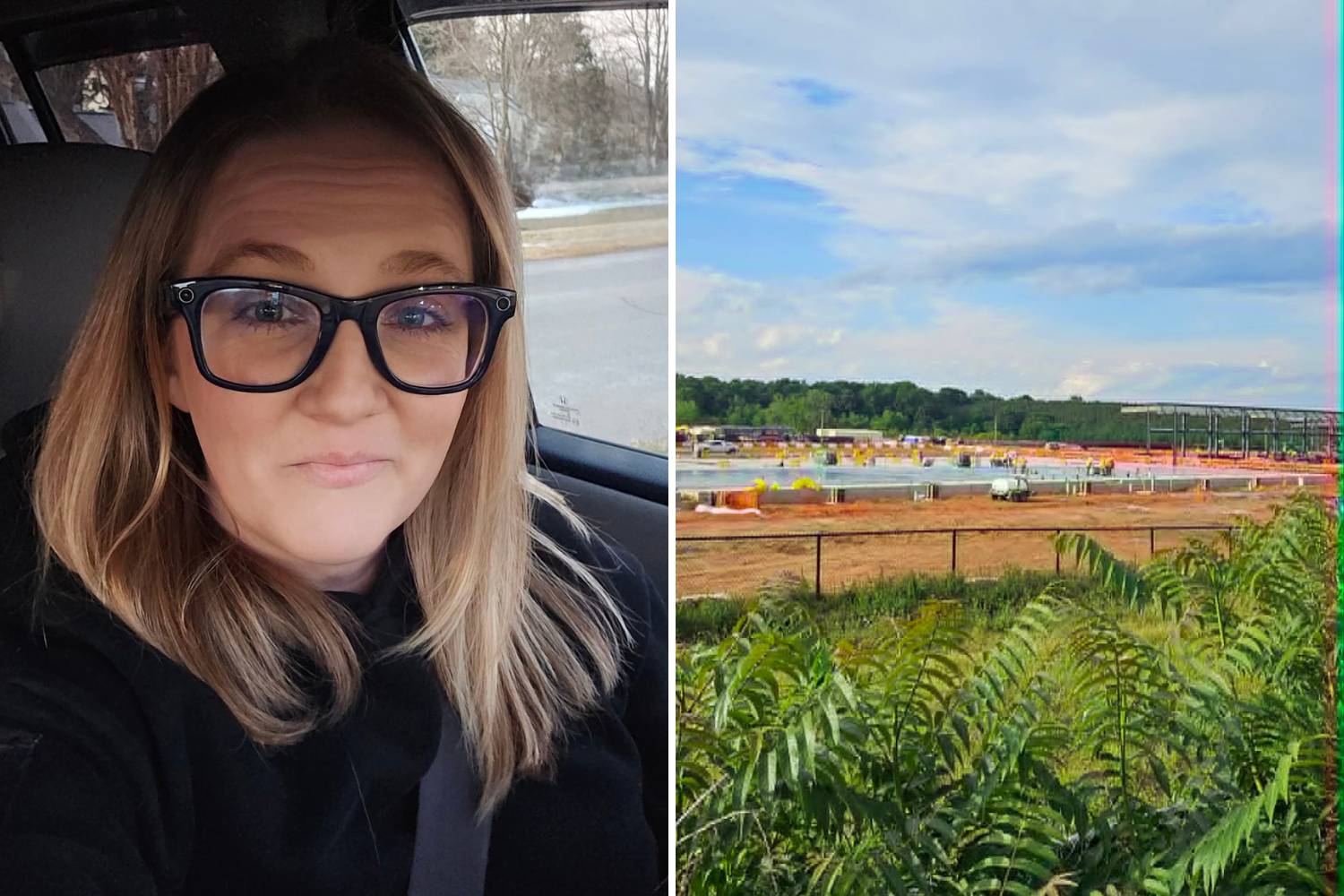
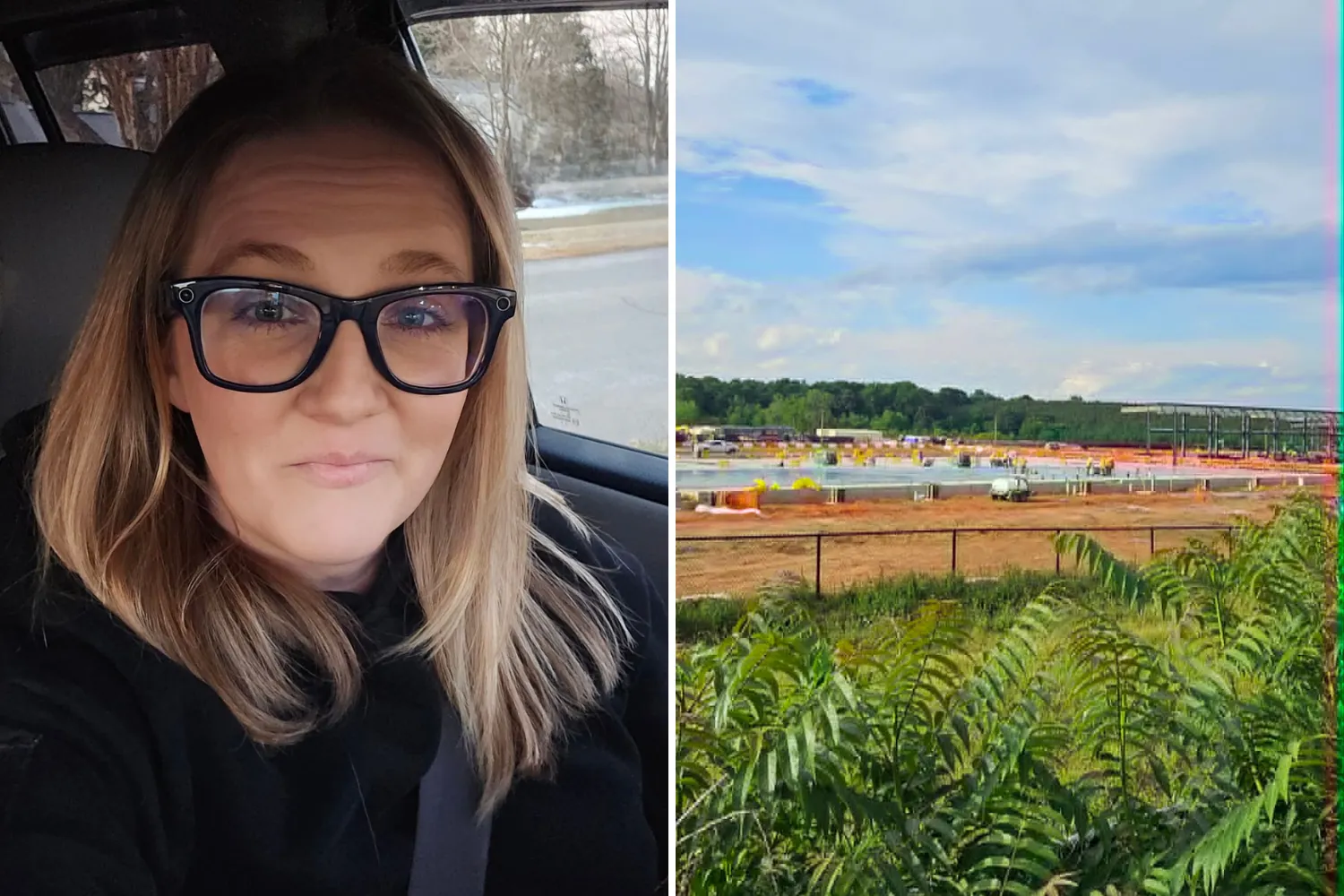
In Charcie Chavis’ backyard in Conover, North Carolina, the view is no longer farmland.
The land behind her home has been cleared for a Microsoft data center development that now wraps around her neighborhood “like a U.” Construction crews, she said, have begun work before dawn, poured concrete late into the night and filled the air with red dust.
“You work all day, and you come home, and you can’t even get three hours of peace and quiet,” she told Newsweek. “At 2:30 in the morning, they’re gonna be out here.”
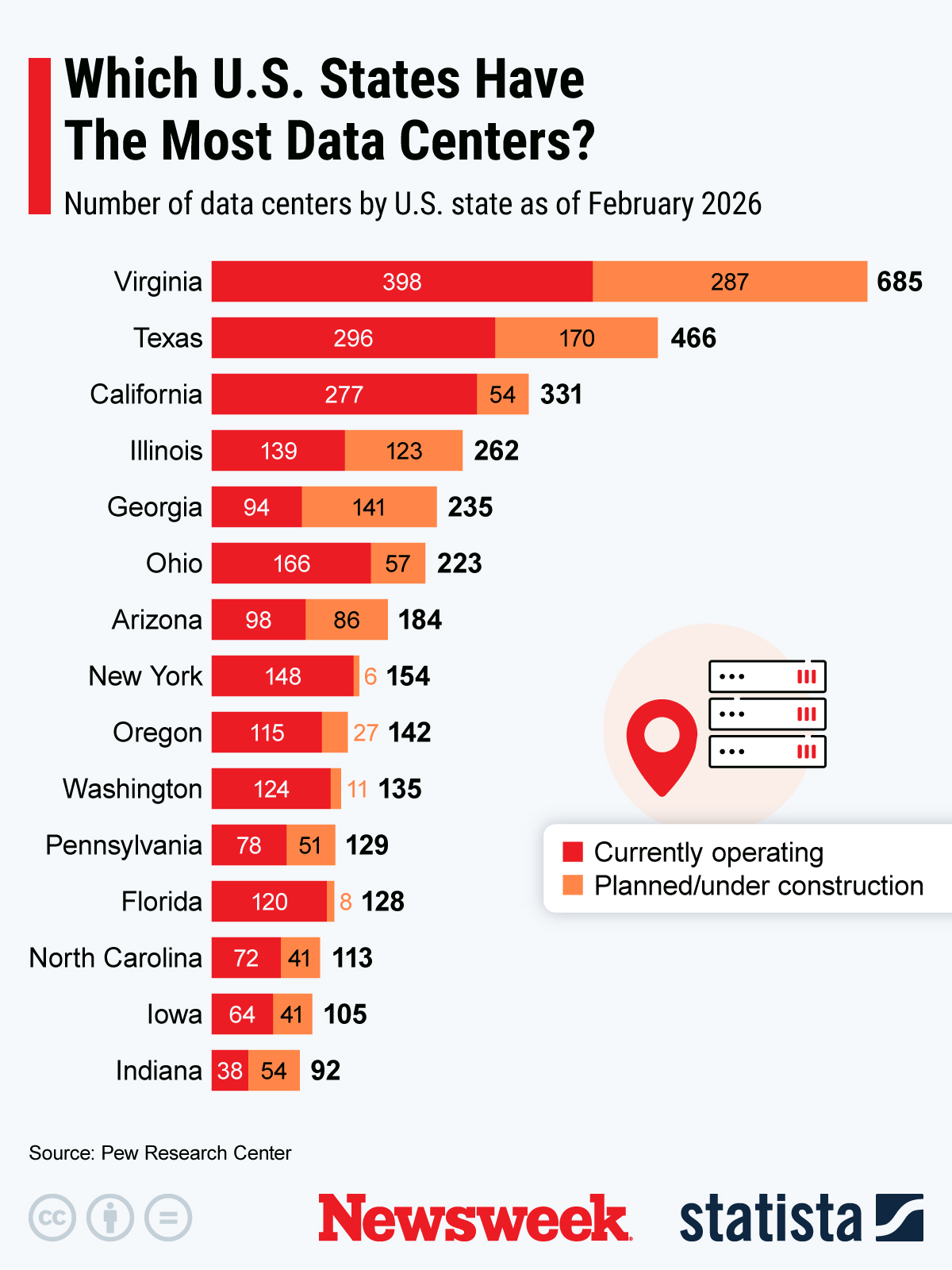
Chavis' experience reflects a broader shift taking place across the United States as more people find out what it is like to live near a data center. Residents interviewed for this story described a range of concerns, including visual impact, noise, and uncertainty about how projects are approved and communicated to the public.
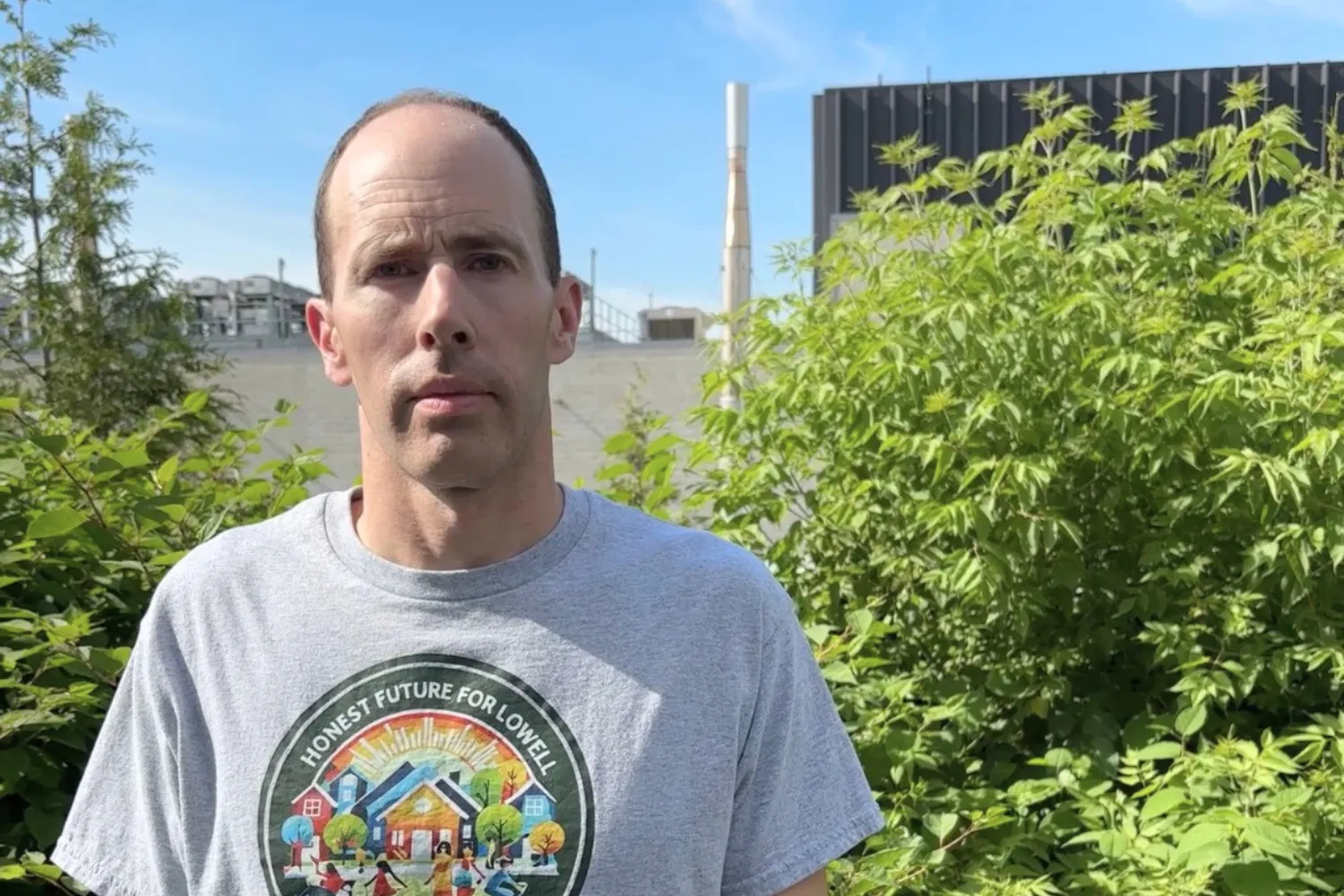
Massachusetts Data Centers: 'Like a Jet Engine Next to You'
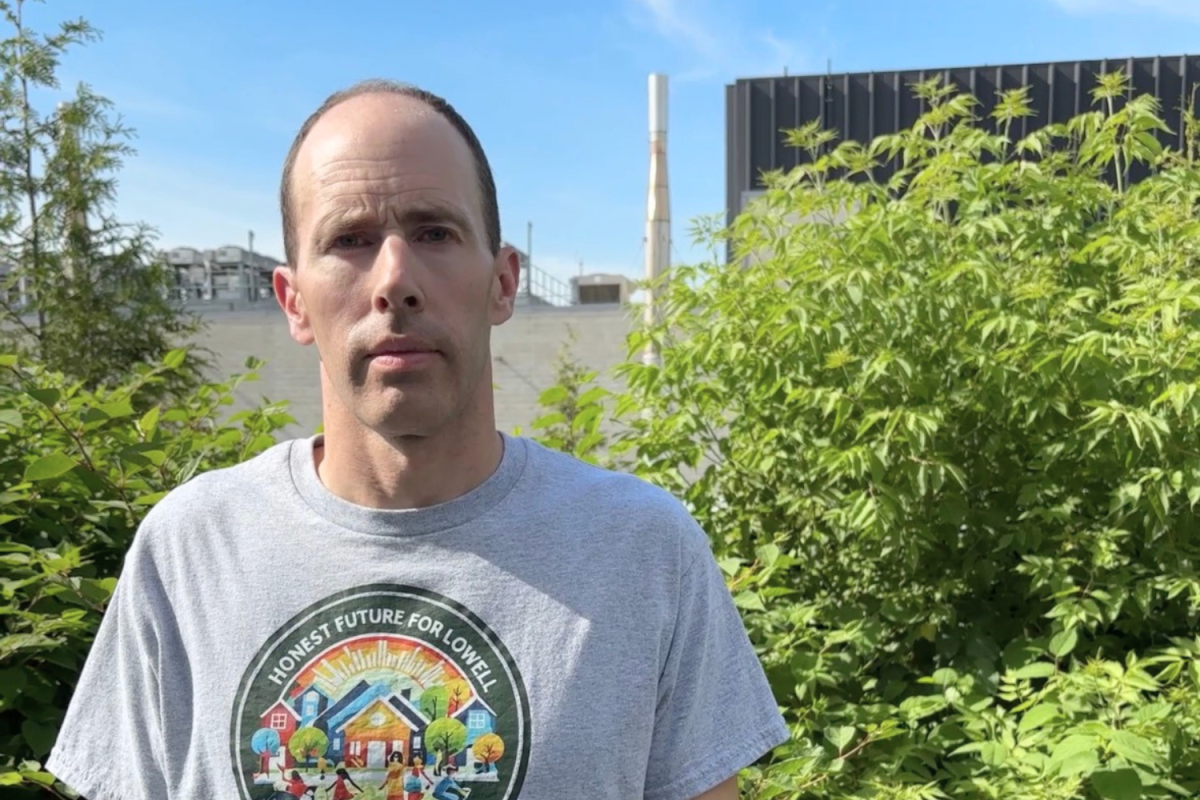
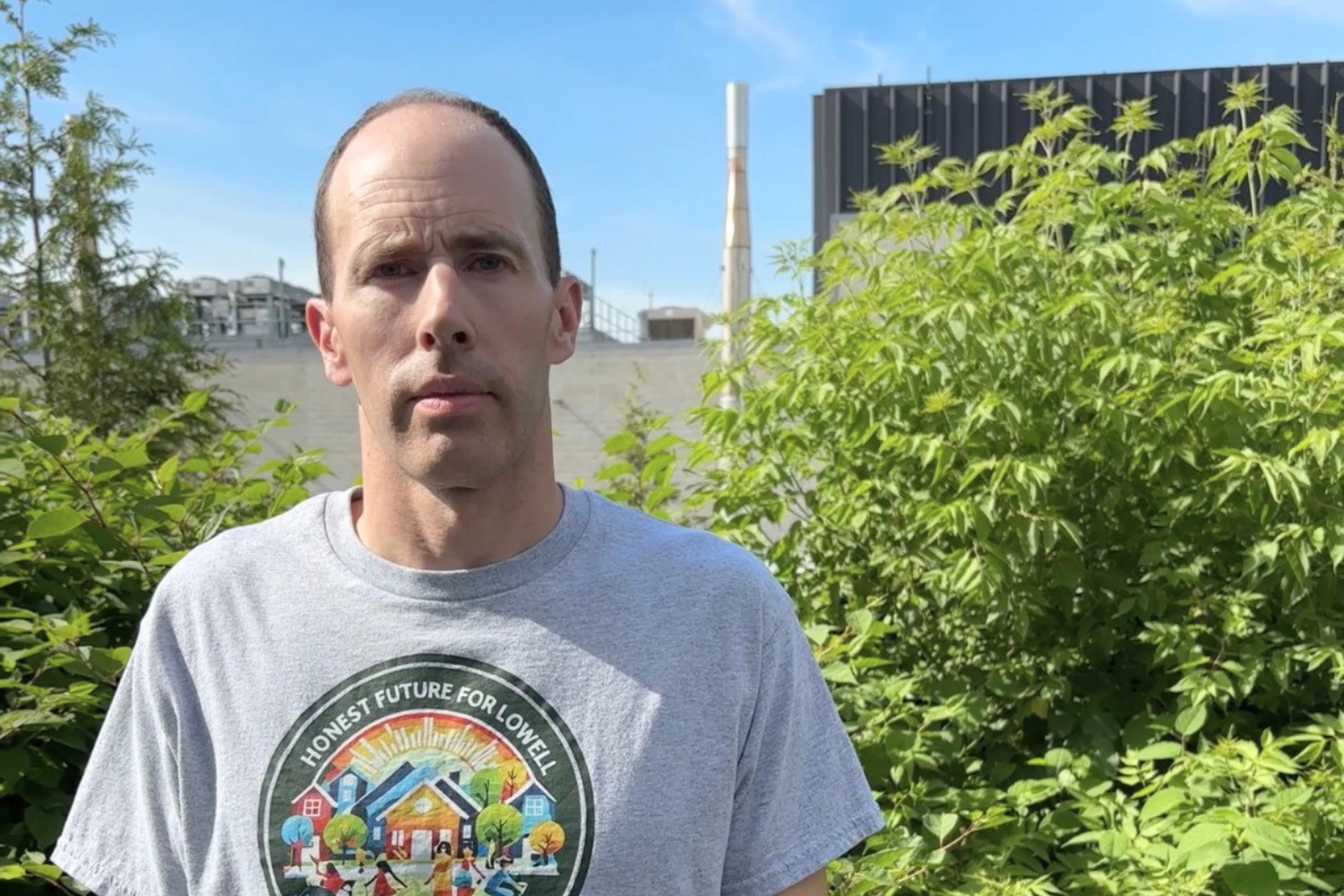
But in the case of Jake Fortes in Lowell, Massachusetts, the noise didn't stop when construction ended. He said the facility built near his home over the past decade now stands just 84 feet from his property, bringing what he describes as constant mechanical noise and regular emissions from backup generators. The facility is operated by Boston-based Markley Group.
Cooling systems and infrastructure run day and night, he said, producing a sound that rises and falls unpredictably. “It’s like just putting a jet engine next to you in bed,” Fortes told Newsweek, describing how surges in noise can wake him during the night.
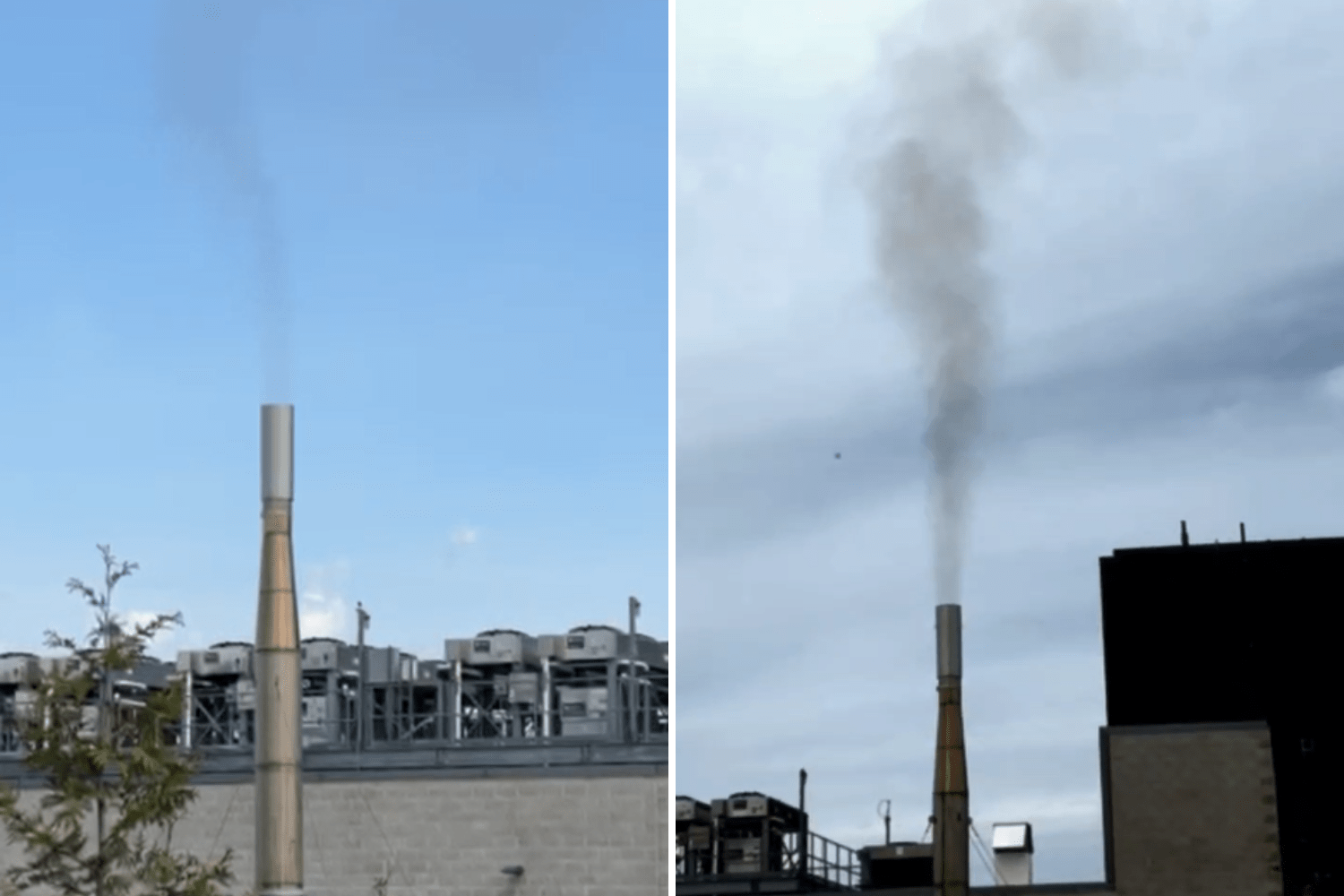
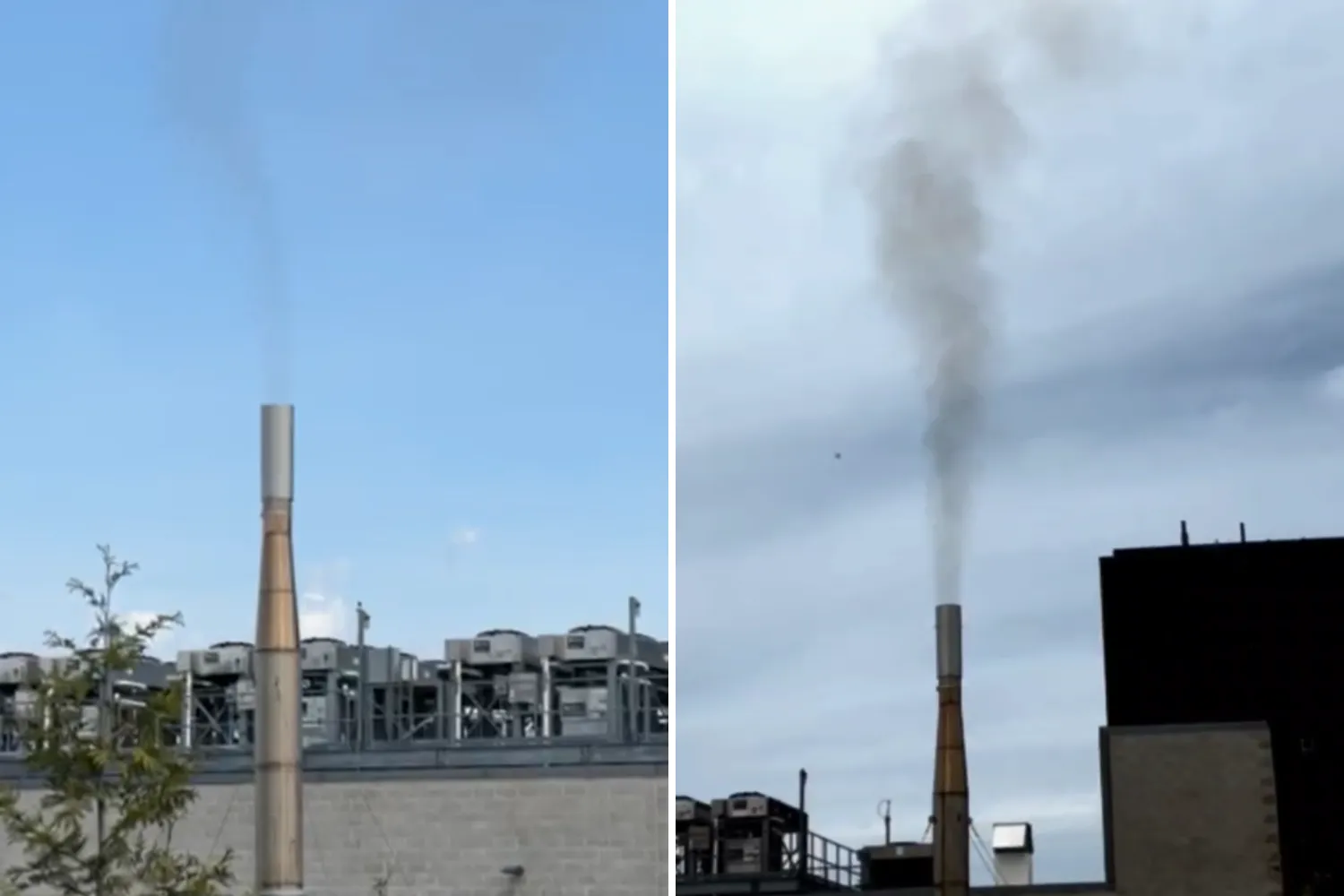
He said the effects extend beyond sound. Backup diesel generators are tested regularly, he said, sometimes without warning, sending fumes toward nearby homes and forcing residents to quickly shut windows.
...
In response, Markley Group told Newsweek its backup generators are used only during outages or limited weekly testing periods and operate within state regulatory limits. The company said testing in Lowell typically lasts about five minutes and that the systems produce around 44 decibels of sound—“quieter than a quiet conversation,” according to federal reference levels.
The company added that it has installed sound-mitigating walls, equipment attenuation measures and hundreds of trees to reduce noise, and said the facility operates “well below” allowable maintenance hours.
Fortes also said the presence of the facility has made it more difficult to leave, saying he believes few buyers would want a home in such close proximity.
“Nobody’s going to want this,” he said.
Markley said it has invested more than $650 million in the Lowell site since 2015, employing around 100 full-time staff and supporting additional union jobs, while providing infrastructure used by hospitals, public safety agencies and regional businesses. The company said the site has long been used for industrial purposes and was redeveloped from a vacant property.
...
Disruption That Comes With Data Center Development
Back in North Carolina, Chavis said the project represents more than disruption—it marks a fundamental change in the area's character. “You’re going to look out my backyard,” she said, “past my gazebo and my water fountain… and it’s just going to be a big concrete wall.”
Right now, the Microsoft data center is underway, and the impact is more immediate.
...
“Everything that we own outside, our entire house is covered in red dirt,” Chavis said. “If the wind picks up, it looks like we live in the desert.”
A Microsoft spokesperson told Newsweek the company is “committed to being a good neighbor in the communities where we build, own and operate our datacenters,” adding it is aware of concerns raised in Conover and has been working with contractors to “mitigate the issues and minimize construction impacts on the local community.”
Northern Virginia Data Centers: Growth and Uncertainty
In Northern Virginia, one of the world’s largest data center hubs, Mindy Dipenbrock said the pace of change has been startling.
She and her husband moved to the Braemar community as newlyweds, drawn by trails, open space, and what she described as a quieter environment to raise children. “We picked the location on our street because it’s directly across from a nature trail,” she told Newsweek, adding that residents were told development nearby by Dominion Energy would be limited.
“Now our community looks like a dystopian nightmare,” she said. “Where there used to be forest, now there are these monstrous buildings.”
Newsweek reached out to Dominion Energy via email for comment.
Dipenbrock said the data centers themselves are only part of the story. The infrastructure that follows—power lines, substations and transmission corridors—is increasingly being planned closer to residential areas. “The lack of transparency was so infuriating,” she said.
She described a growing sense of uncertainty about what future development could mean for the surrounding community.
“My view is beautiful right now,” she said, “like waiting for a nightmare to begin.”
Prince William County told Newsweek its land use review process is “designed to be transparent, data-driven and accessible to the public,” with community input considered alongside technical analysis and planning policies. The county said residents can track proposals through online tools and participate in public hearings, written submissions and outreach processes before decisions are made.
April Padilla, who lives in the same region as Dipenbrock, does not live directly next to a data center, but near existing utility lines that she believes are being upgraded to support new development.
On some days, she said, the existing infrastructure is already noticeable. “If you’re sitting out on your back deck trying to eat your meal or just hang out, you can hear it,” she said, describing a buzzing sound from the lines. “I anticipate that that’s only going to get worse.”
The infrastructure required to support data centers is substantial. U.S. data centers consumed around 176 terawatt-hours of electricity in 2023—about 4.4 percent of the country’s total power use—with demand projected to rise sharply as AI expands. By 2028, that share could climb to as much as 12 percent of national electricity consumption, according to the U.S. Department of Energy.
Data Centers: A Rapidly Expanding Industry
The global data center market is forecast to reach $573 billion in 2026, rising to more than $739 billion by the end of the decade, as demand surges for artificial intelligence, cloud computing and digital services.
The U.S., already home to thousands of facilities, is expected to remain the world’s largest market.
The scale of that growth is significant. A 2025 analysis by the Data Center Coalition (DCC), a trade association and lobbying group representing data center owners, found that the U.S. data center sector contributed nearly $727 billion to GDP in 2023, supporting millions of jobs across the economy when indirect effects are included.
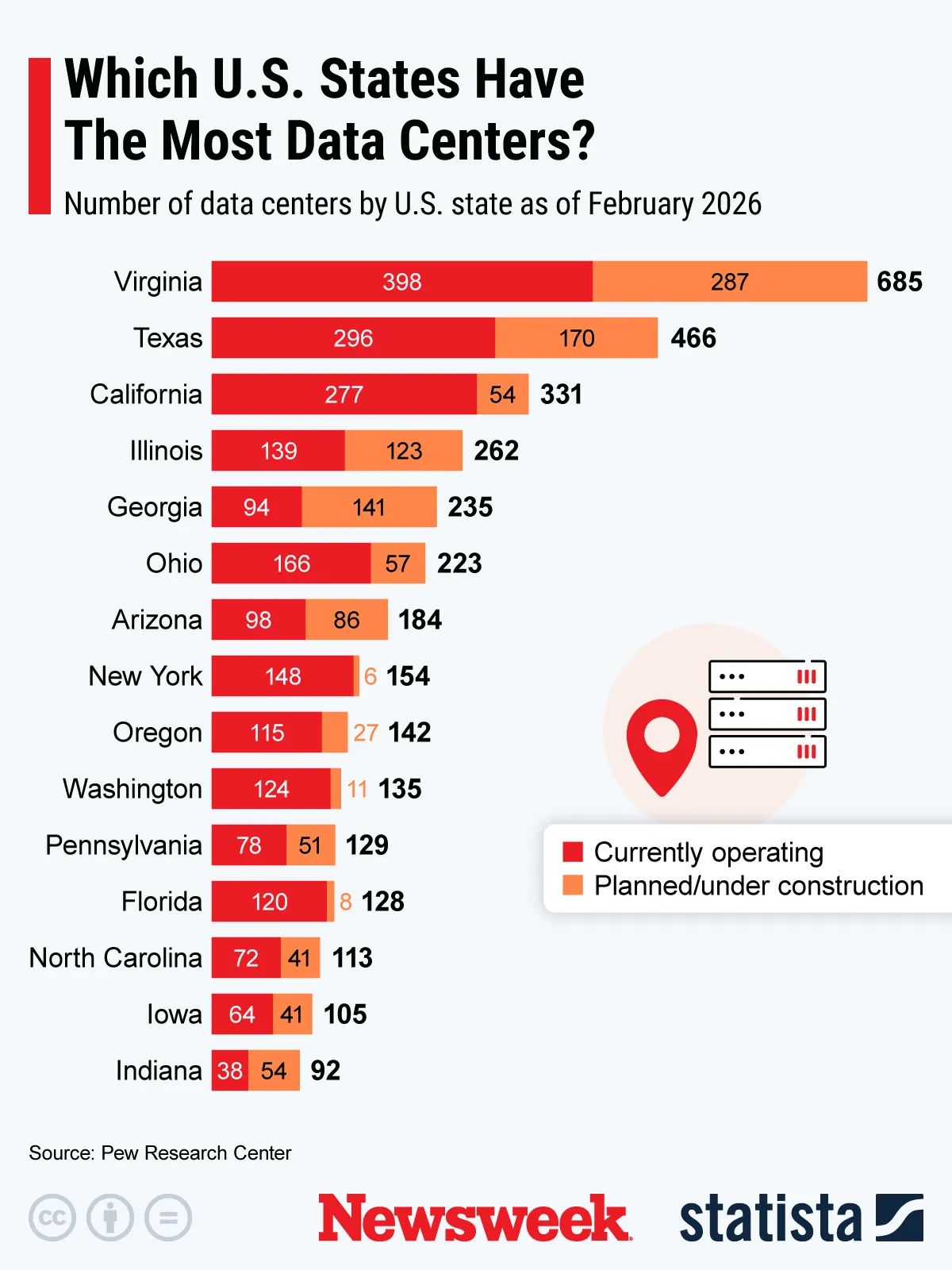
Employment directly tied to data centers has also grown rapidly, rising from around 306,000 workers in 2016 to more than 500,000 in 2023, according to U.S. Census data.
However, the number of permanent jobs at individual sites is often relatively small. Once built, large data centers can operate with as few as several dozen on-site staff, with most employment concentrated in the construction phase. For example, a $10 billion facility may support thousands of construction roles but only hundreds—or fewer—long-term jobs once operational.
More Data Centers Are Coming—and Residents Are Bracing
For Padilla, the concerns are less about a single project than the cumulative effect. “It’s just the idea of knowing that more of these are coming,” she said.
As data center construction continues across the U.S., nearby residents want people to understand the reality of having them on their doorstep. Fortes said he believes the reality of living near data centers will affect more communities. “This story will be repeated tons of times over,” he said.