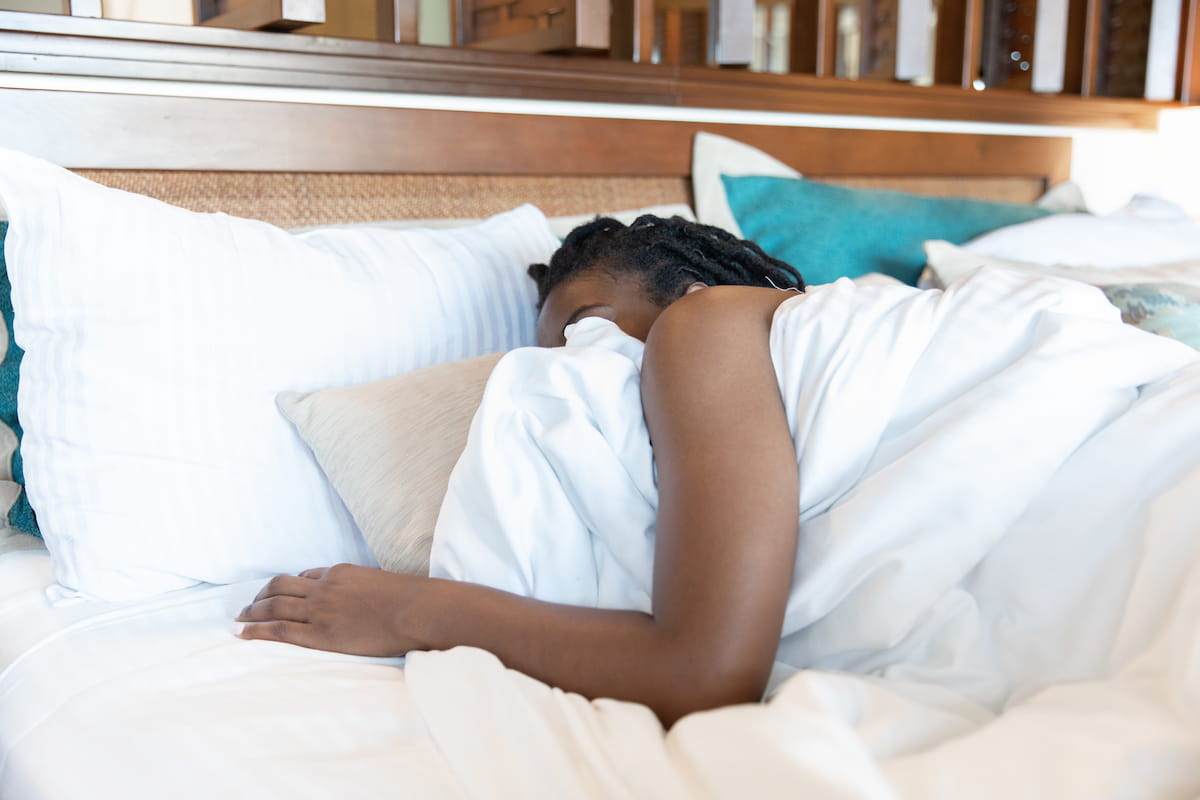
Drooling in Your Sleep? It Could Signal Something Serious!
Many people experience drooling during sleep, but excessive drooling could indicate a health issue. Occasional drooling is common, but frequent episodes may suggest conditions like sleep disorders or neurological problems.
Why People Drool in Their Sleep
Drooling occurs when saliva escapes the mouth during sleep. Causes include side or stomach sleeping, relaxed facial muscles, and mouth breathing due to nasal congestion. Dr. Abhinav Singh notes that while occasional drooling is normal, frequent occurrences should be examined further.
Serious Health Conditions Linked to Sleep Drooling
Persistent drooling can be a symptom of various health issues. Obstructive sleep apnea, for instance, causes mouth breathing and swallowing difficulties, increasing drooling risk. Other conditions include GERD, which prompts excess saliva production; neurological disorders like Parkinson’s disease; sinus infections; allergies; medication side effects; and oral muscle disorders.
When Should You Be Concerned?
If drooling is frequent or severe, it may require medical attention. Symptoms such as choking, snoring, difficulty swallowing, or neurological changes suggest an underlying condition needing evaluation through tests like sleep studies or neurological assessments.
How to Combat Drooling During Sleep
Strategies to reduce drooling include adjusting sleep positions to back sleeping, addressing nasal congestion with treatments like antihistamines and nasal sprays, and using dental devices to keep the mouth closed. Strengthening oral muscles through exercises and pursuing medical treatments can also help manage persistent cases.