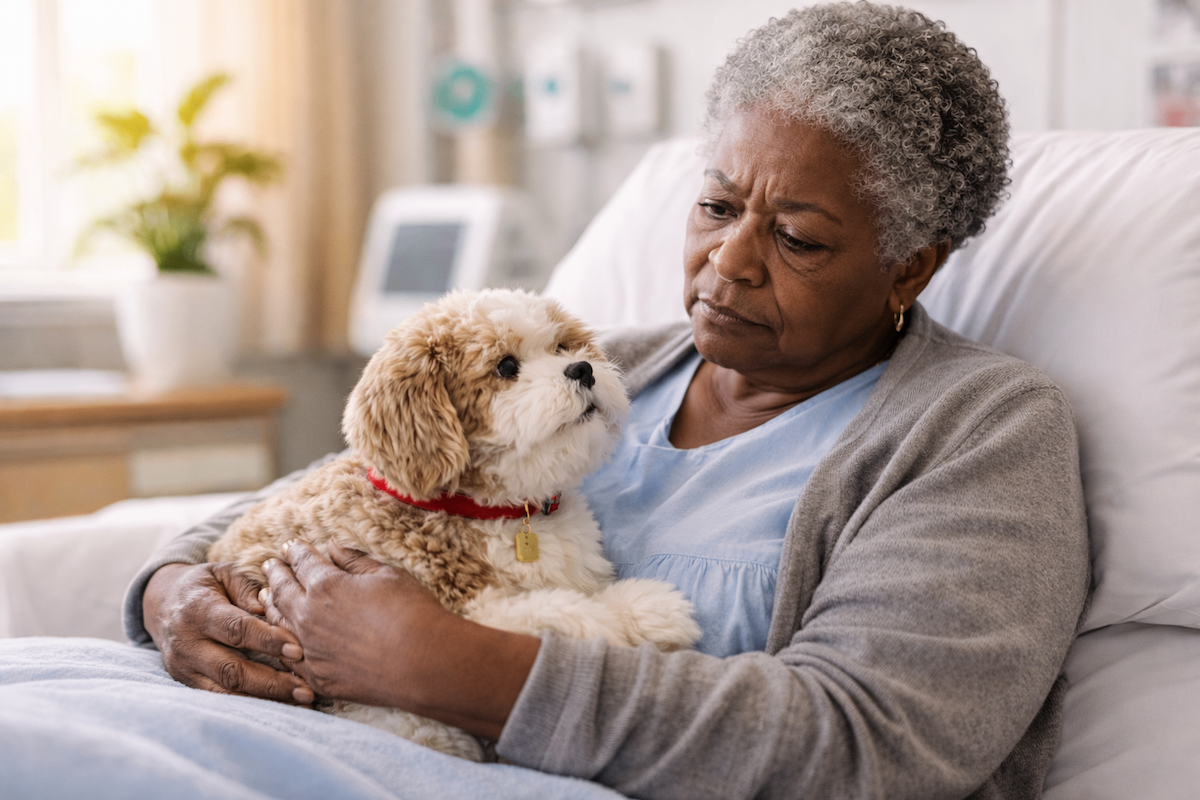
Robotic Pet Therapy: A New Hope for Dementia Patients?
A clinical trial at Sarasota Memorial Health Care System explored the effects of robotic pet therapy on seniors with mild to moderate dementia. The year-long study aimed to evaluate emotional and behavioral outcomes from this non-pharmacological approach.
Overview of the Robotic Pet Therapy Study
Led by Joanna D’Elia, MSN, RN, GERO-BC, CPHQ, the study was one of the first to use robotic pets in a hospital setting. The lifelike pets are interactive cats and dogs designed to comfort patients. Upon hospital admission, patients chose a robotic pet that they could later take home.
The study included older adults with dementia and divided them into two groups: one received robotic pets during their stay, while the other received standard care. Results showed improved vital signs and reduced hospital stays for those with companion pets.
The trial was funded by Deb Kabinoff, emphasizing her interest in innovative technologies that soothe dementia patients. Patients with companion pets had better discharge outcomes, returning home more often than moving to long-term care facilities.
The Benefit of Lifestyle Intervention Therapies
Conducting hospital-based trials in community settings reduces participation barriers for underrepresented groups and encourages involvement without disrupting daily routines. Such non-pharmacological treatments help manage conditions like dementia without medication side effects.
This approach parallels studies on cardiovascular health integrating lifestyle adjustments, providing similar accessibility benefits.
Dementia in the Black Community
Five point eight million Americans live with Alzheimer’s or related dementias, with African Americans disproportionately affected. They often face later diagnoses and greater challenges due to socioeconomic factors impacting healthcare access.
Black communities are generally underrepresented in clinical trials for conditions like heart disease and dementia. Initiatives like the SMH trial aim to bridge this gap by integrating culturally relevant research methods into familiar healthcare environments, promoting trust and participation among underserved populations.