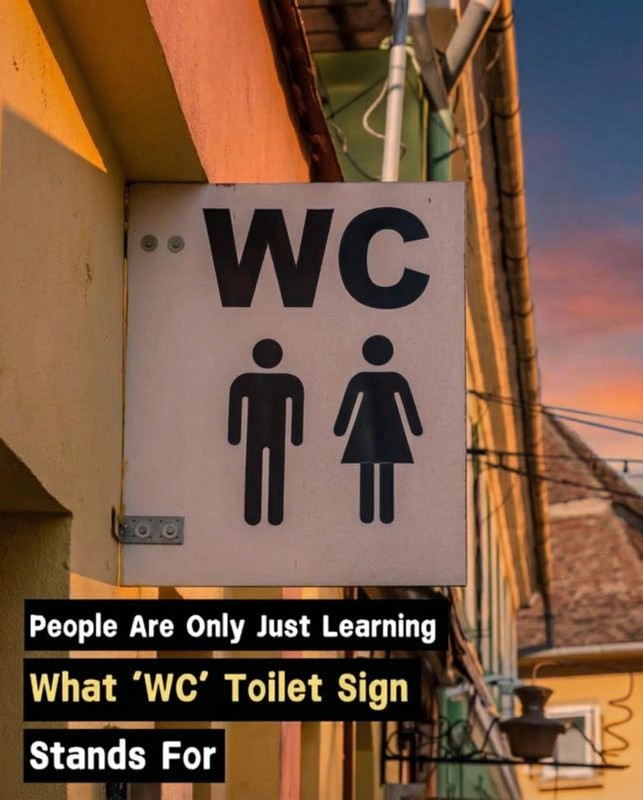
How "WC" Became the Worldwide Term for Restrooms
The term "WC" found on some restroom signs stands for "water closet," originating in 19th-century Europe as indoor plumbing became more common. It reflects a historical shift toward enclosed spaces with flushing toilets, offering privacy and hygiene.
History and Evolution
Before the advent of the "water closet," toilets were typically outhouses or chamber pots. The introduction of indoor plumbing marked a significant advancement in sanitation and comfort. In the United States, terms like “bathroom” and “restroom” focused on comfort, while "WC" remained prevalent in Europe.
International Recognition
"WC" has become a universally recognized symbol, especially across public venues such as airports and restaurants. It serves as an easily identifiable sign in multilingual settings, transcending language barriers to communicate basic facilities.
Cultural Significance
The widespread use of "WC" also highlights cultural attitudes towards privacy and hygiene. It illustrates how language can evolve with technological advances and social norms, continuing to influence how people communicate essential needs.