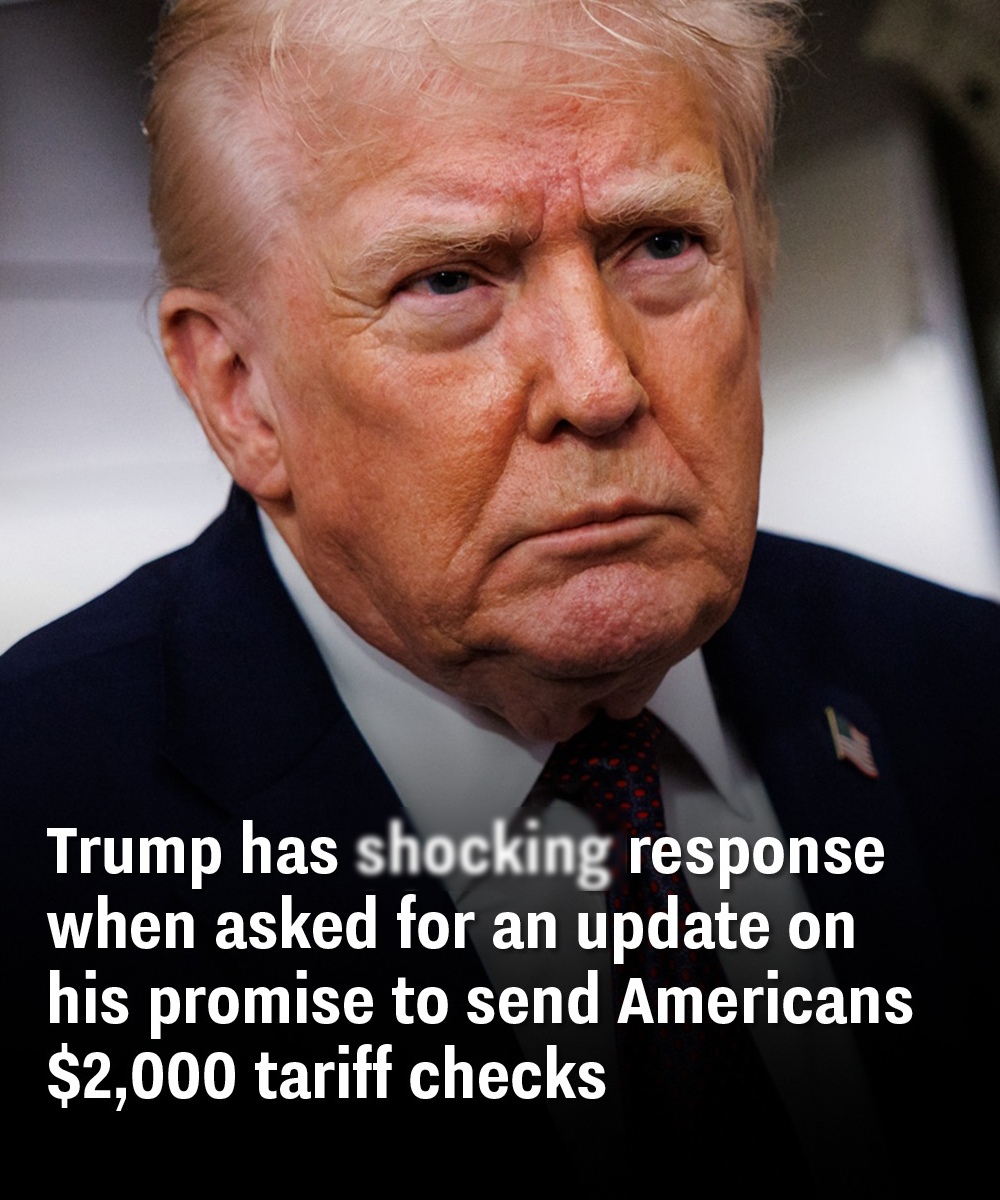
Trump provides concerning reply when asked for an update on $2,000 checks promised to nearly all Americans.
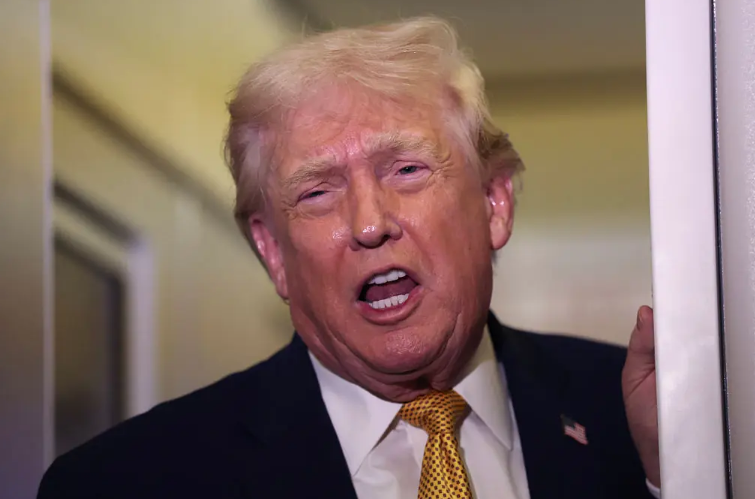
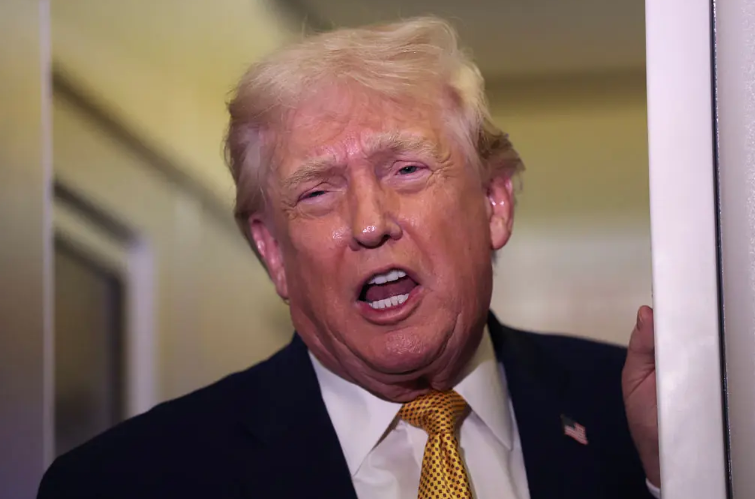
In a recent Oval Office interview, President Donald Trump seemed to forget his pledge to issue $2,000 payments to most Americans, linked to revenue from tariffs. When reminded of the promise by Katie Rogers of The New York Times, Trump appeared puzzled, asking when he had made such a commitment.
Trump clarified that he was actually thinking of a different initiative—a $1,776 bonus for service members. He stated that despite the confusion, the $2,000 payments were still likely to be sent out later in the year, relying on anticipated substantial tariff revenue to cover the costs.
Trump's Plan for Tariff-Funded Checks
The promise of $2,000 payments to middle- and lower-income Americans was initially linked to revenue generated from Donald Trump's tariffs. While the exact timing of the payouts remains uncertain, Trump indicated that the revenue from tariffs would enable the payments, aiming for distribution towards the end of the year.
However, concerns have emerged regarding the feasibility of funding the plan. Estimates suggest that sending $2,000 checks to most Americans would exceed the revenue expected from tariffs. By September 30, only $90 billion had been collected from tariffs, falling short of the projected cost for the payments.
Challenges and Inflation Risks
The ongoing legal disputes surrounding the tariffs could impact the realization of the promised payments. The U.S. Supreme Court is expected to rule on the legality of the tariffs soon, with a potential adverse decision leading to a refund of the tariff revenue.
Using tariff revenue to finance the payments has also raised worries about inflation. Treasury Secretary Scott Bessent has expressed concerns about potential inflationary effects, advising Americans to save rather than spend the money if it is distributed. Republican lawmakers have echoed these concerns, highlighting the risk of exacerbating inflation through tariff-funded payments.