What Chin Hair in Women Indicates About Hormones
Understanding Chin Hair in Women and Hormones
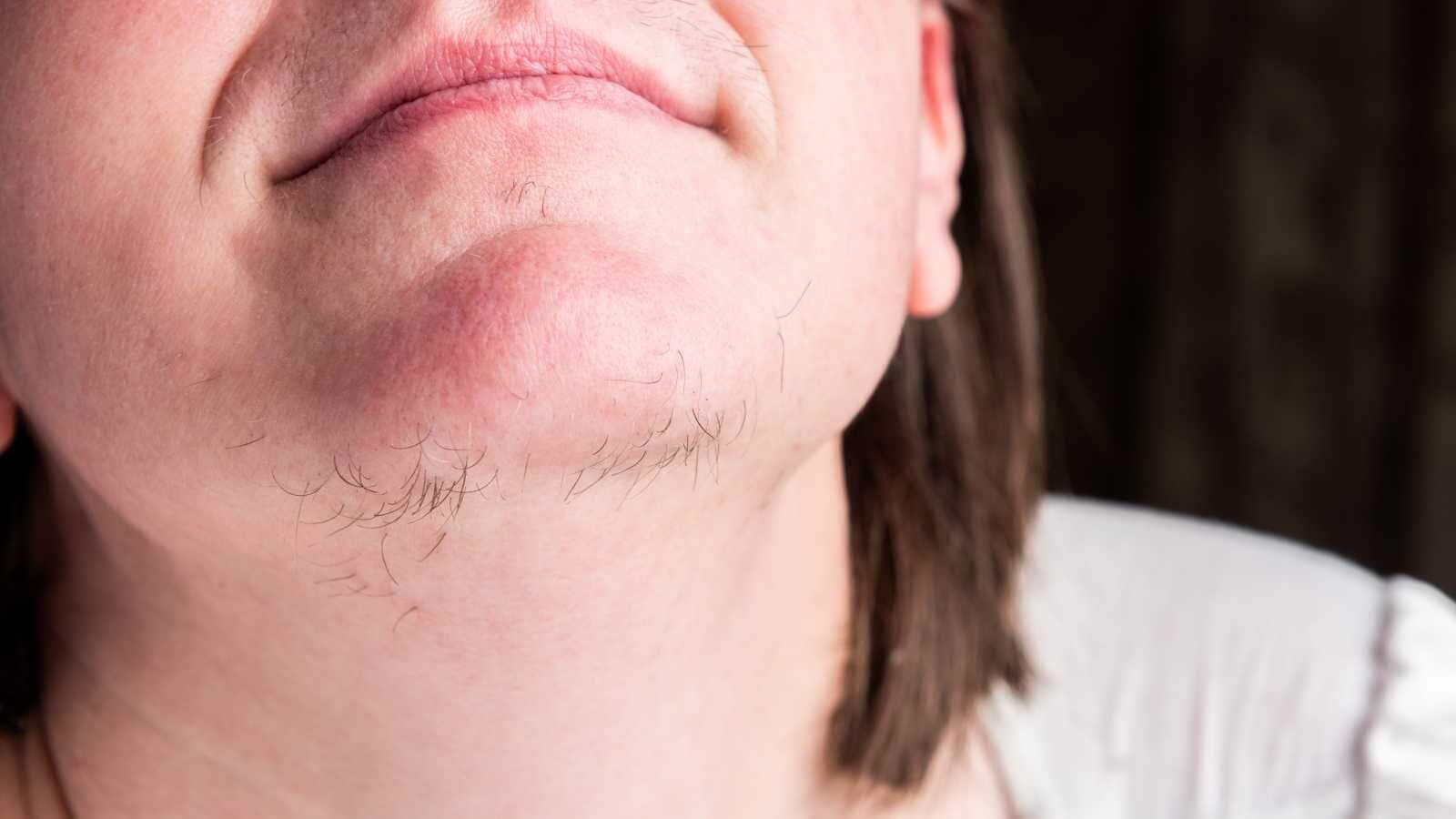
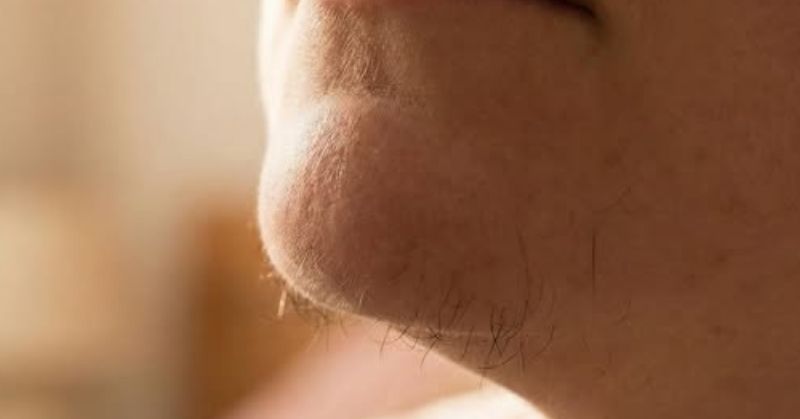
Finding coarse or dark hairs on the chin can be unsettling for many women, sparking concerns about femininity, aging, and health. However, doctors explain that chin hair in women is commonly linked to hormones and is often a normal occurrence.
The Role of Hormones in Facial Hair Growth
Androgens, a group of hormones that include testosterone, largely influence hair growth in women. Despite being known as "male hormones," women also naturally produce them, albeit in smaller quantities. When androgen levels rise or hair follicles become more sensitive to them, coarse hair may appear on the chin, jawline, or upper lip.
Why Chin Hair Often Increases with Age
Many women notice an increase in chin hair visibility in their 30s, 40s, or later due to declining estrogen levels, especially during perimenopause and menopause. As estrogen decreases, androgens may have a more pronounced impact, leading to changes like increased facial hair growth.
When Chin Hair Is Completely Normal
- Develops gradually
- Appears as a few coarse hairs
- Is not accompanied by other symptoms
When Chin Hair May Signal a Hormonal Condition
While chin hair is typically harmless, sudden appearance, increased thickness, or accompanying symptoms like acne, irregular periods, or weight changes may indicate hormonal disorders such as PCOS. Healthcare providers can conduct evaluations to rule out underlying issues.
Stress and Lifestyle Factors
Chronic stress, poor sleep, extreme dieting, and insulin spikes can influence hormone levels, affecting the balance between estrogen and androgens. Making small lifestyle changes can sometimes help reduce unwanted hair growth by supporting overall hormonal balance.
Dispelling Myths About Chin Hair
- Chin hair does not indicate poor health, lack of femininity, poor hygiene, or personal failure.
Managing Chin Hair Safely
Doctors recommend safe hair removal methods such as trimming, shaving, waxing, or laser treatments. Contrary to popular belief, shaving does not cause hair to grow back thicker but only alters the tip shape. Doctors can provide guidance on both cosmetic and medical interventions if hair growth is a concern.
In Conclusion
Chin hair in women is often a result of normal hormonal changes, genetics, and aging. While it can sometimes indicate an imbalance, it is typically harmless. Understanding the hormonal factors behind chin hair can empower women with knowledge and reassure them that their bodies are adapting naturally.