"If Donald Trump Loses Supreme Court Ruling on Tariffs, he Believes America is in Trouble"
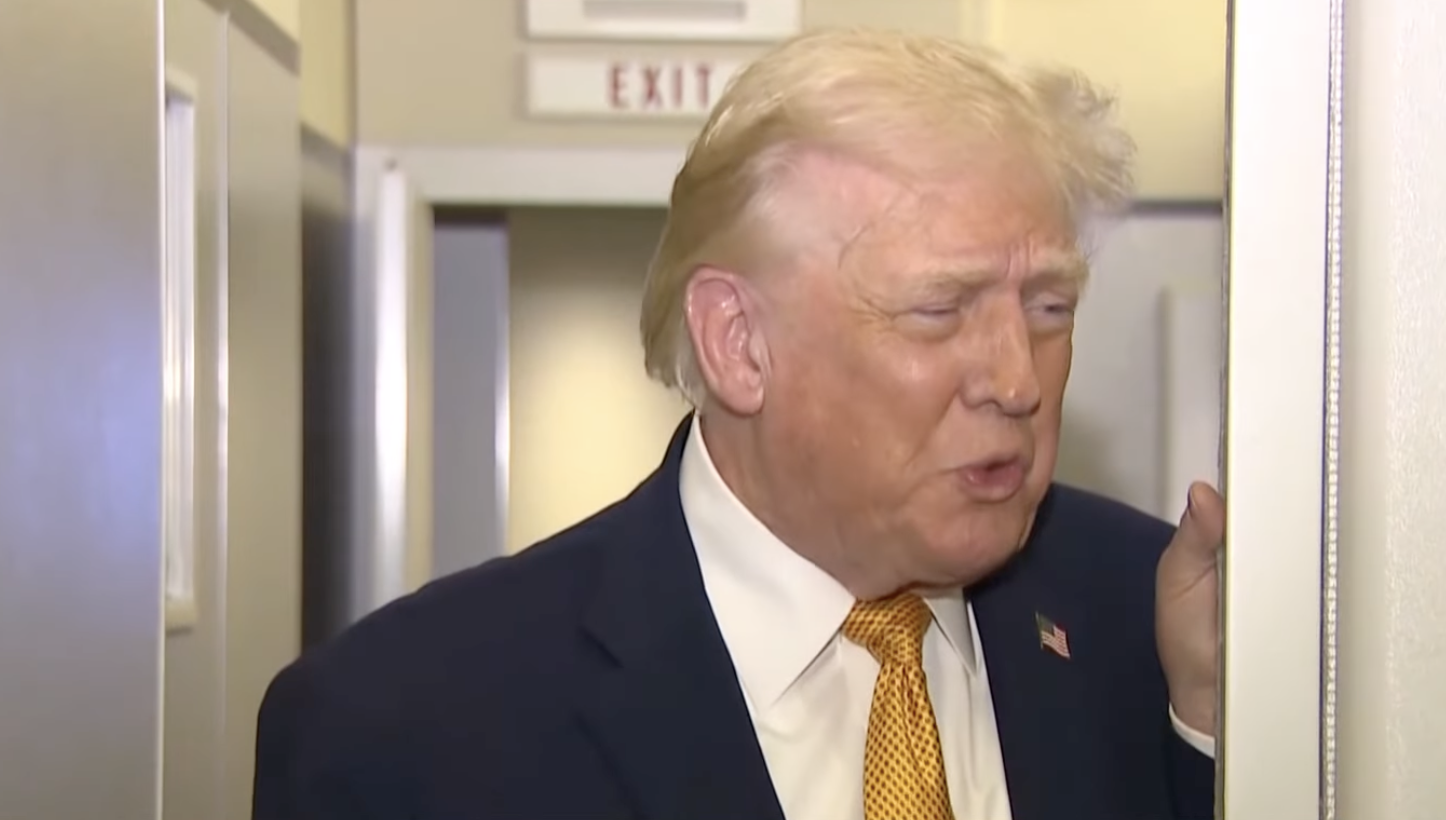
President Donald Trump has expressed concerns that the United States could face significant financial consequences if the Supreme Court rules against his administration in a crucial legal battle over tariffs. The dispute revolves around the administration's use of emergency powers to impose broad import duties under the International Emergency Economic Powers Act.
The case questions whether the tariffs, which were part of Trump's trade policies, were lawfully implemented under the emergency powers act. Lower courts have already ruled against the administration, setting the stage for a Supreme Court decision that could impact trade relations and revenue collected from the tariffs.
If the Supreme Court strikes down the tariffs, the federal government may need to refund importers who paid the duties, potentially amounting to billions of dollars. Treasury Secretary Scott Bessent has downplayed concerns about the refunds, stating that the government is prepared to manage any repayments.
The legal battle underscores Trump's approach to trade policies, where tariffs have been a central tool to influence domestic manufacturing and foreign relations. The Supreme Court's decision could also set a precedent for future presidents on the use of emergency powers in trade matters.
Implications of the Ruling
The outcome of the case could impact not only the financial aspects but also future trade planning for businesses. Trump has indicated that if the tariffs are blocked, the administration may explore other legal avenues to maintain pressure on trading partners, albeit through slower and narrower processes.
International Ramifications
The global implications of the Supreme Court's ruling are significant, as Trump's tariff strategy has been a key element of his trade policies. Any constraints imposed on these powers could influence negotiations with allies and rivals, potentially reshaping the dynamics of future trade agreements.