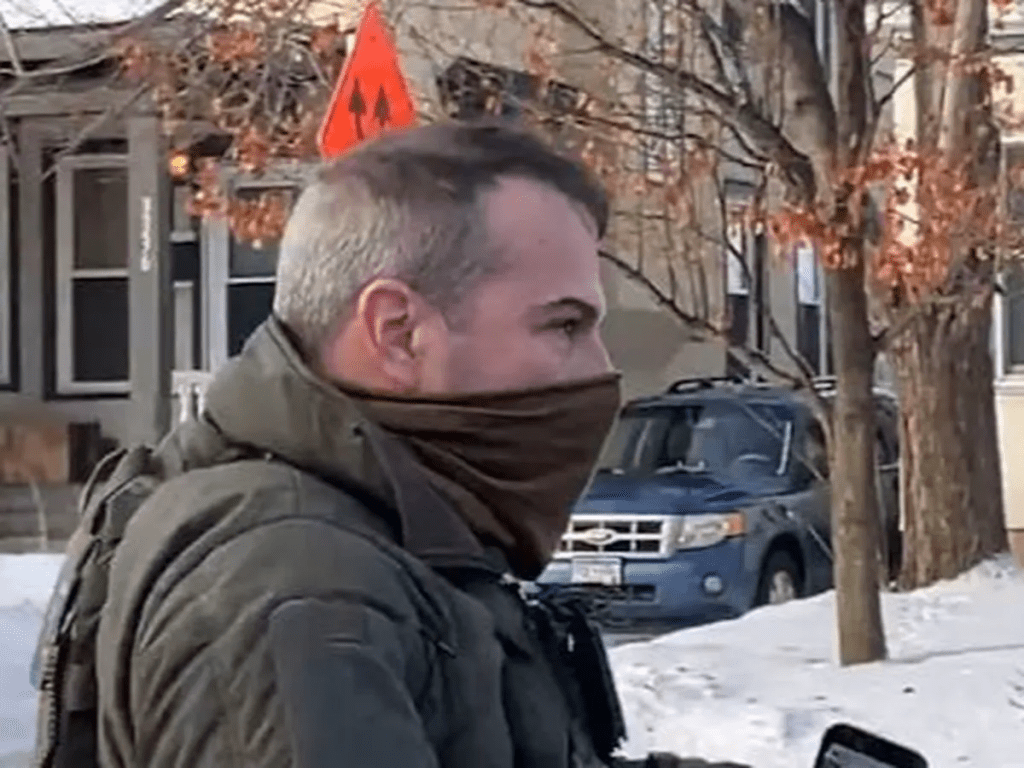
Donations to GoFundMe campaign for ICE Agent Jonathan Ross exceed $500,000
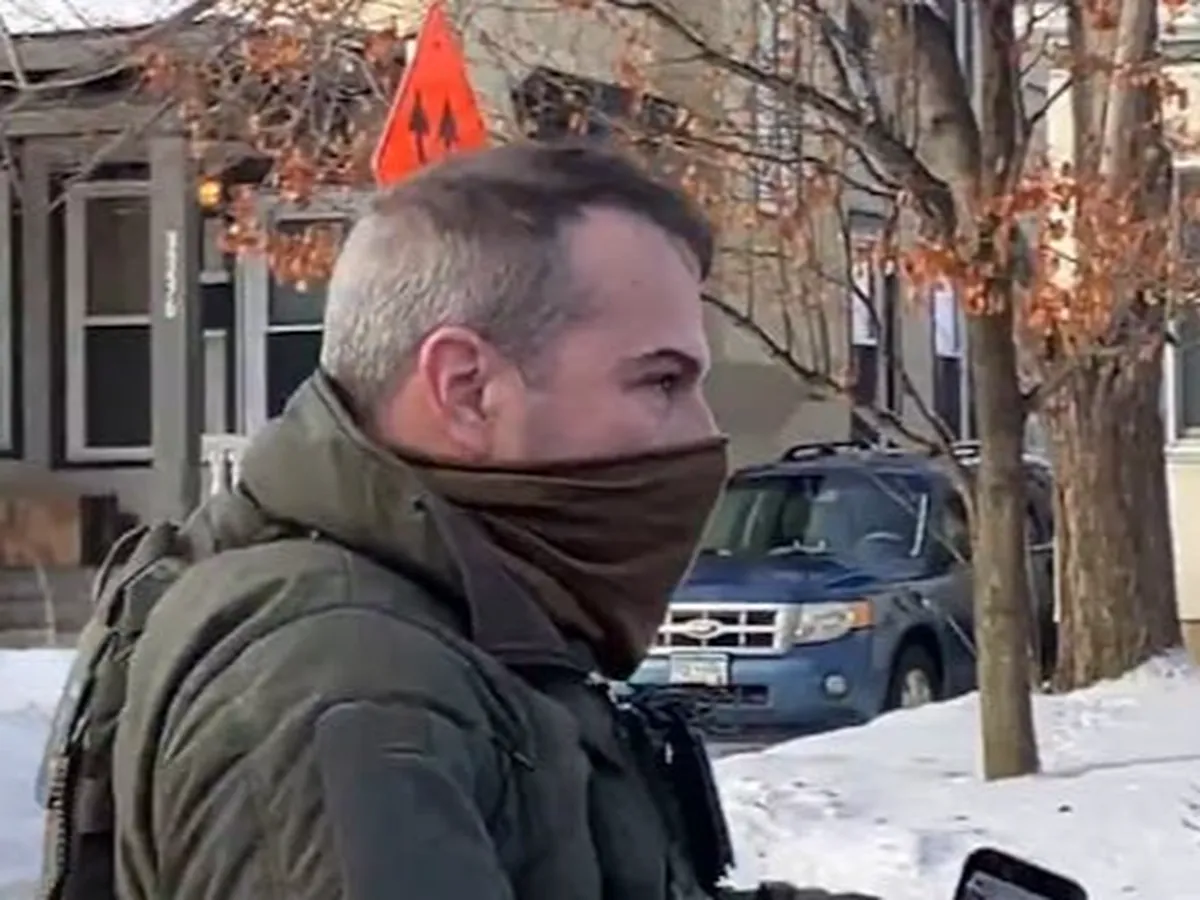
Over $500,000 has been raised through a GoFundMe campaign to support Jonathan Ross, a US Immigration and Customs Enforcement agent who fatally shot Renee Nicole Good in Minneapolis. A second round of fundraising on GiveSendGo, a faith-based platform, has gathered significant amounts towards various goals related to Ross.
The fundraising efforts have brought attention to the circumstances of the shooting and how major platforms manage campaigns linked to violent incidents involving individuals under investigation but not charged. GoFundMe is reviewing all related fundraisers to ensure compliance with their terms, which prohibit raising funds for the legal defense of anyone formally charged with a violent crime.
Ross has not been charged with a crime, prompting inquiries into the alignment of GoFundMe's policies with the spokesperson's statements. GiveSendGo has defended its stance on due process, allowing individuals to raise funds for legal defense until proven guilty in court.
Public Reactions and Political Involvement
The fundraising for Ross has attracted high-profile donors, sparking fresh online debates. Activist investor Bill Ackman donated $10,000, emphasizing the principle of innocence until proven guilty. The fatal shooting of Good has become a focal point for broader arguments about immigration enforcement and the use of force by federal officers.
Competing Narratives and Investigations
Competing interpretations of the incident, including the characterization of Good's vehicle as weaponized, have fueled public debate. The case is under investigation by the FBI, with federal officials claiming the encounter unfolded when Ross approached Good near her vehicle.
The fundraising for Good's family has also been substantial, with separate campaigns exceeding $1 million. Good's father rejected the federal portrayal of his daughter, stating she was not a threat and was in fear during the incident.
As fundraising platforms grapple with balancing compassion and preventing campaigns that support violence or illegal conduct, the debate surrounding the Ross campaigns reflects the complexities of fundraising for individuals involved in high-profile incidents.